We took a lot of photos on this trip. I have edited them down to this collection.
I think this gives a good summary of what we did and things we saw.
TOKYO
We started in Tokyo. It is really, really big, and we saw only a small fraction of it.
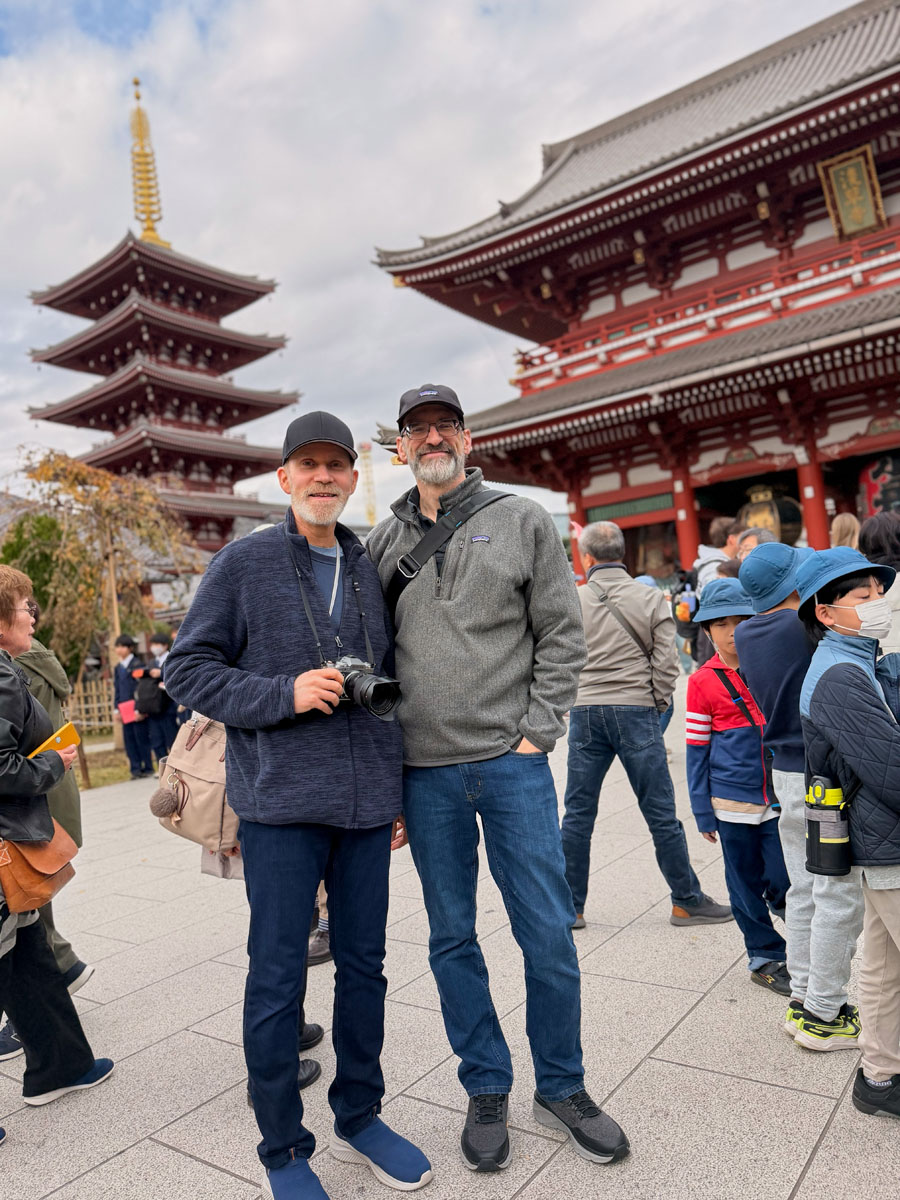
This is Senso-ji -- the "ji" ending means temple. It is the oldest Buddhist temple in Tokyo, and like all of the city, it was rebuilt after WWII.
The parts of Tokyo that we saw were mostly modern, bright, and clean. There are some areas that were rebuilt after WWII and look like they have not changed much since.
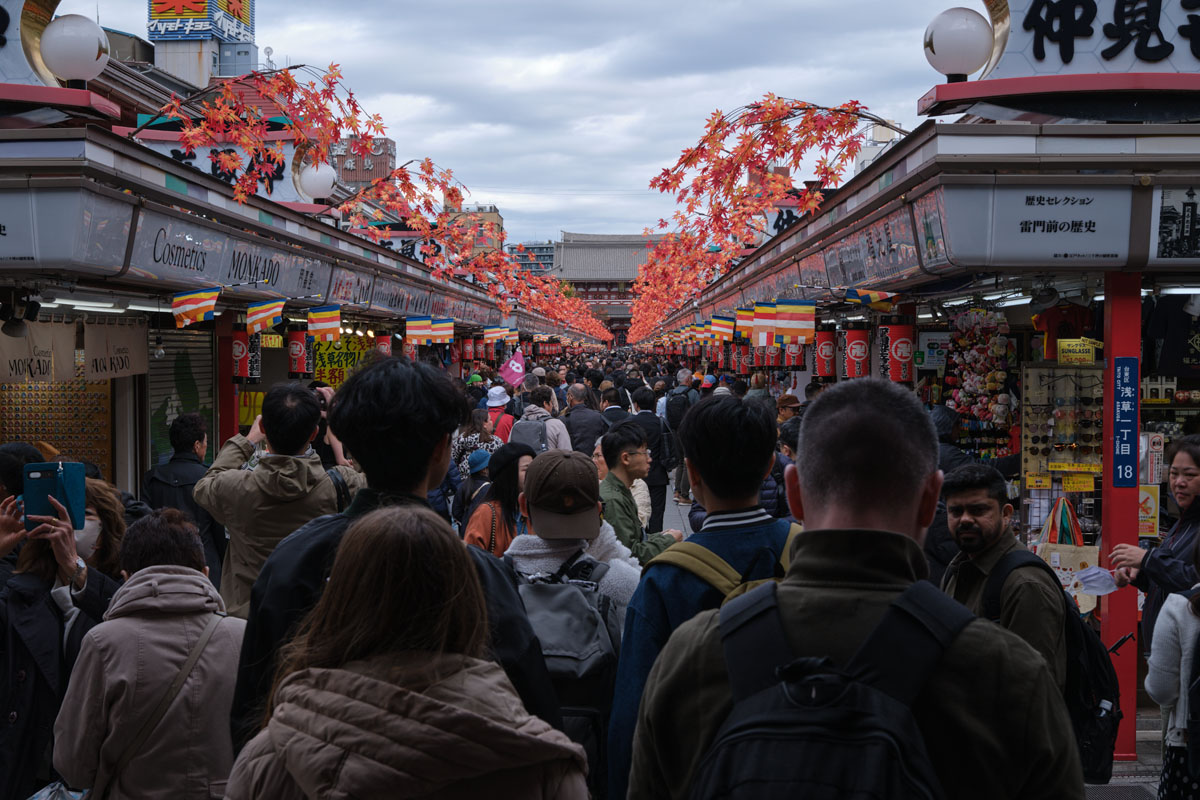
This is a shopping district near Ueno Station that is not new and shiny.
Shinjuku Station is a huge subway/train station that has about 2 million people pass through every day. There are 200 exits from the station!
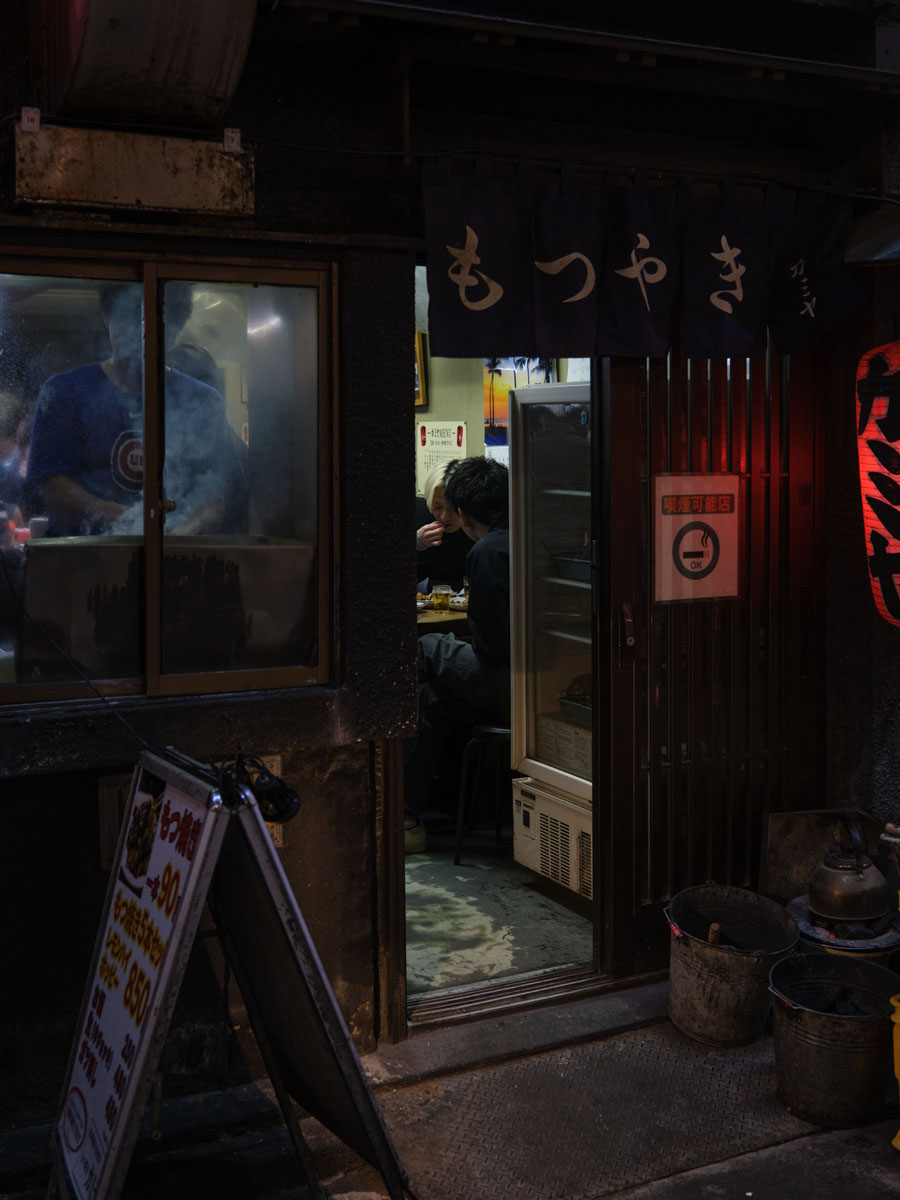
The neighborhoods surrounding the station are a mix of the big, shiny, modern and old, dark, narrow streets and alleys.
The old narrow streets are filled with small restaurants and bars that only seat a few people.
We are standing in front of the Yoyogi National Gymnasium that was built for the 1964 Olympics. The architect was Kenzo Tange, and it is one of his masterpieces.
Tange created a design that incorporated modern and traditional Japanese aesthetics. The roof is very much like a pagoda roof.
I like the juxtaposition of the old temple and modern highrise.
We went to Hamarikyu Gardens, which was not too far from our hotel. This was built by a shogun who used it for training falcons.
This caught my eye while we were in the park. It reminds me of a scroll painting, but with a modern twist.
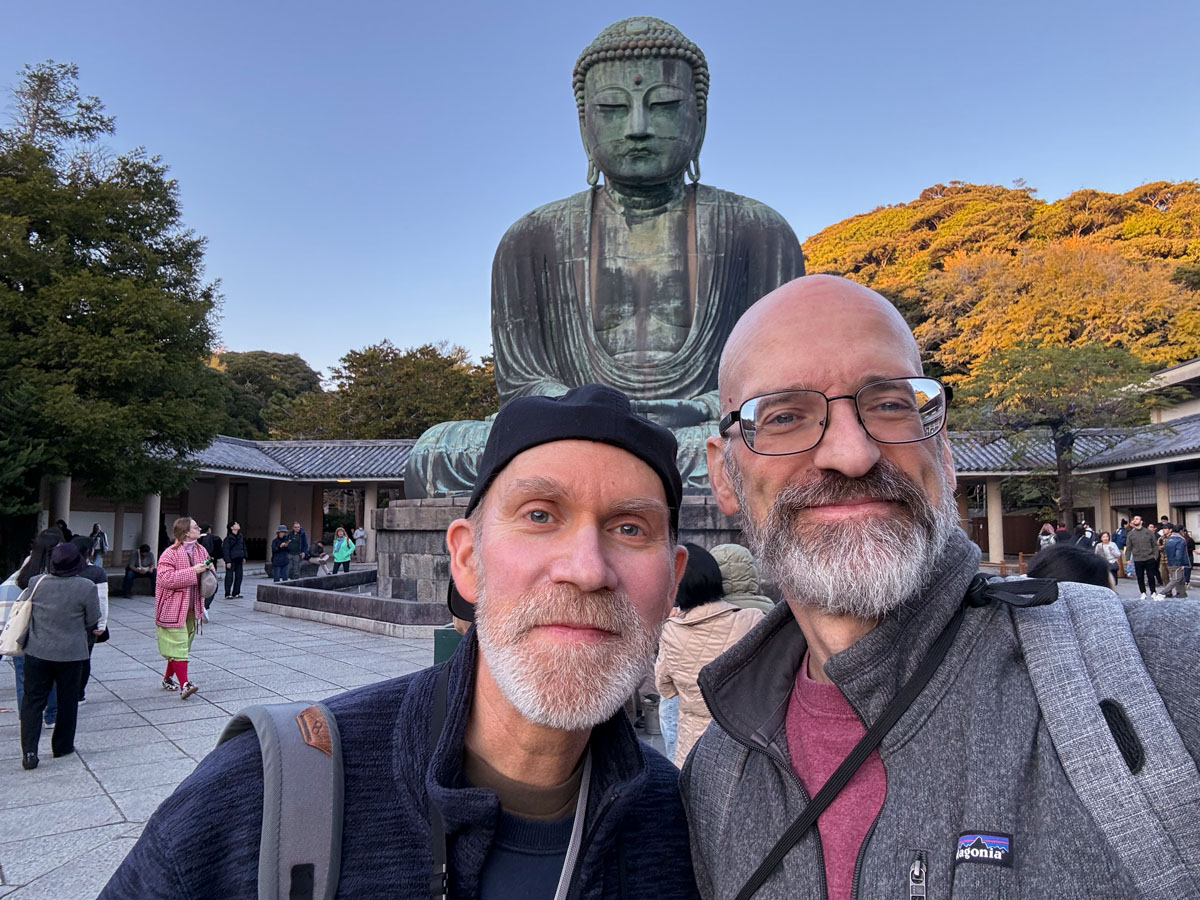
We took a day trip to Kamakura, a small city on the coast south of Tokyo. There are a lot of temples there and the largest statue of Buddha in Japan.
The stone structure in the second photo is a gorinto. It represents the 5 elements in Japanese Buddhism. From bottom to top: earth, water, fire, wind, and emptiness.
These 5-tiered structures are seen in gardens, cemeteries, and temples.
We took a bullet train from Tokyo to Fukui. The route took us past Nagano, where the Winter Olympics were held in 1998.
Here is a video of the Japanese Alps near Nagano.
FUKUI
Our next stop was Eiheiji, one of the two main temples of Soto Zen Buddhism.
It is located on a small mountain outside of the city of Fukui. The forest is filled with majestic cedar trees.
We stayed at Hakujukan, a ryokan (traditional Japanese inn). The monks do not eat meat, so the meals are vegan.
Dinner was a multi-course feast. This was breakfast.
KYOTO
Our next stop was Kyoto. It is very different from Tokyo. It is the cultural capital of Japan, and it has an old-world feel.
This is Kinkakuji, known as the Golden Pavillion. It was built by a shogun who liked gold covered things (sound familiar?), then later became a Zen Buddhist temple.
We went to a traditional tea ceremony. The full ceremony takes 5 hours. We just did the part where you get to drink the tea!
There was a vegan ramen restaurant very close to our hotel. I never finish the broth when I have a big bowl of soup, but this was delicious.
The bottom of the bowl says something like: I also recommend our desserts.
We timed our trip to coincide with the fall foliage. Here is a video of what it looked like at Tofukuji in Kyoto.
KOYASAN
After Kyoto, we made a brief stop in Osaka, and then continued on to Mount Koya. Koyasan is a small mountain town filled with temples.
Koyasan is the center of Shingon Buddhism. We stayed at Ekoin in a ryokan run by the monks.
Every morning the monks perform a goma fire ritual, and guests are invited to attend.
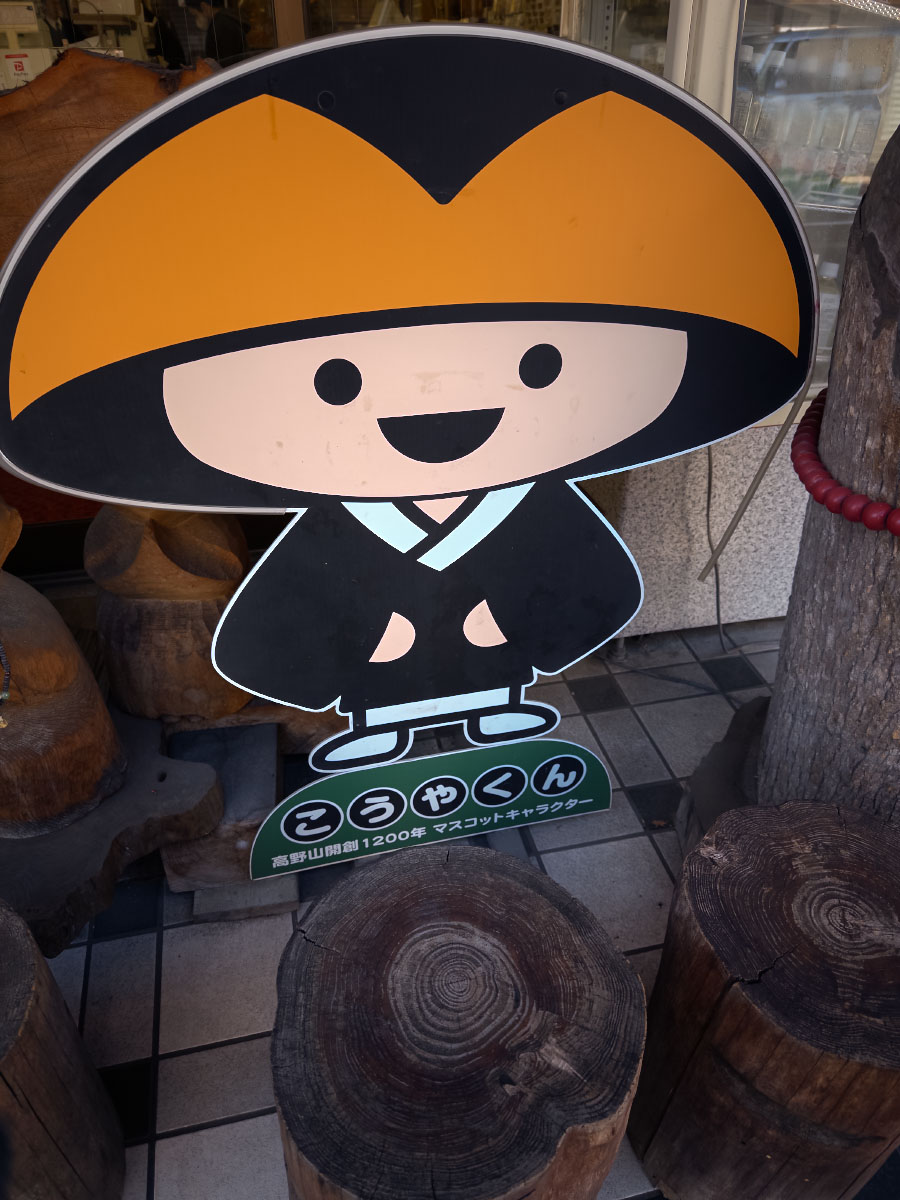
The Japanese are into mascots. Koyasan adopted Koya-kun as their mascot in 2015 to celebrate 1200 years since its founding.
Autumn in Koyasan.